
Altitude Sickness in Cusco: Prevention & Remedies 2026
Visiting Cusco, the historic capital of the Inca Empire, is a dream for many travelers. However, one of the most common challenges visitors face is altitude sickness, also known as soroche. At over 3,400 meters (11,200 feet) above sea level, Cusco’s thin air can affect anyone, even healthy travelers. Understanding prevention, symptoms, and remedies is essential to fully enjoy your adventure in 2026.
What is Altitude Sickness?
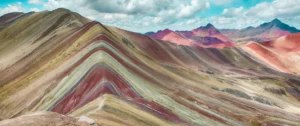
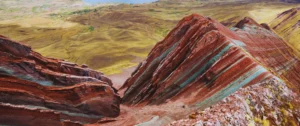
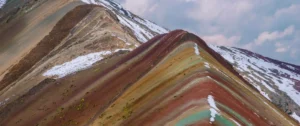
Altitude sickness occurs when your body struggles to adjust to lower oxygen levels at high elevations. Symptoms can appear within hours of arrival and range from mild discomfort to severe, life-threatening conditions. The condition is particularly common in Cusco, the Sacred Valley, and high-altitude treks such as Rainbow Mountain and Ausangate.
Common symptoms:
- Headache
- Nausea and vomiting
- Dizziness or lightheadedness
- Fatigue
- Shortness of breath
- Difficulty sleeping
Severe altitude sickness may include confusion, extreme shortness of breath, and swelling in the hands, feet, or face. It is crucial to recognize the warning signs early and take action promptly.
Risk Factors
Not everyone experiences altitude sickness in the same way. Factors that can increase your risk include:
- Rapid ascent without acclimatization
- Pre-existing health conditions (e.g., heart or lung issues)
- Dehydration or alcohol consumption
- High-intensity physical activity shortly after arrival
Even seasoned travelers can be affected, so prevention is key.
Prevention Tips for Altitude Sickness in Cusco
1. Gradual Acclimatization
Plan your arrival to allow your body to adjust. Spend at least 24-48 hours at intermediate altitudes, such as the Sacred Valley, before ascending to Cusco. Avoid strenuous activity during the first day.
2. Stay Hydrated
Drink plenty of water to maintain oxygen delivery to tissues. Avoid alcohol, caffeine, and excessive salty foods, as they can worsen dehydration and symptoms.
3. Diet and Nutrition
Eat light meals rich in carbohydrates. Foods like quinoa, potatoes, and corn are high in nutrients and provide energy for acclimatization.
4. Coca Leaf Remedies
Coca leaves have been used for centuries in the Andes to reduce altitude symptoms. You can chew the leaves, drink coca tea, or take natural coca supplements. While not a cure, they help alleviate mild headaches and nausea.
5. Medications
Consult a doctor before traveling. Common medications include:
- Acetazolamide (Diamox): Helps prevent and reduce symptoms of acute mountain sickness.
- Ibuprofen or paracetamol: Can help manage headaches.
- Oxygen supplements: Portable oxygen can relieve severe shortness of breath.
6. Avoid Overexertion
Do not overdo physical activities on your first days. Light walks and sightseeing are recommended before challenging hikes like Rainbow Mountain or Ausangate.
Remedies if You Develop Altitude Sickness
Rest and Oxygen
Take it easy and breathe slowly. Supplemental oxygen is often available in hotels and tour agencies.
Descend if Necessary
If symptoms persist or worsen, descending to a lower altitude is the most effective remedy.
Hydration and Nutrition
Drink water, herbal teas, and consume light carbohydrates to support recovery.
Use Local Remedies
Coca tea, local herbal infusions, and gentle massage can help relieve mild symptoms. Avoid strong stimulants like alcohol or caffeine.
Altitude Sickness and Trekking in Cusco
High-altitude treks, such as Rainbow Mountain, Ausangate, and Humantay Lake, require special preparation. Consider the following tips:
- Spend at least one day in Cusco before trekking.
- Hire experienced guides who monitor for symptoms.
- Carry water, snacks, and a small first-aid kit.
- Know your limits and communicate with your group.
Even if you are healthy and fit, altitude sickness can affect you unexpectedly.
Myths and Misconceptions
- Myth 1: Only inexperienced hikers get altitude sickness. Fact: Anyone can experience it, regardless of fitness level.
- Myth 2: Drinking alcohol helps acclimatization. Fact: Alcohol increases dehydration and worsens symptoms.
- Myth 3: You can “tough it out.” Fact: Ignoring symptoms can lead to severe complications like pulmonary or cerebral edema.
High-Altitude Travel Tips
- Plan gradual itineraries: Include low-intensity activities on the first 1-2 days.
- Monitor symptoms: Keep track of headaches, nausea, and dizziness.
- Travel insurance: Ensure coverage for high-altitude travel and emergency evacuation.
- Acclimatization gear: Bring layers for temperature changes, sunglasses, and sunblock.
- Local support: Many tour operators provide oxygen bottles, coca tea, and first aid.
Conclusion
Altitude sickness is a common challenge for travelers visiting Cusco, but with proper prevention and remedies, it can be managed effectively. Gradual acclimatization, hydration, nutrition, coca-based remedies, and light activity are essential to enjoy your trip fully.
By understanding the risks and taking preventive measures, you can explore Cusco, the Sacred Valley, and iconic hikes like Rainbow Mountain, Humantay Lake, and Ausangate safely and comfortably in 2026.
Travel prepared, respect your body’s limits, and enjoy the breathtaking landscapes and rich culture of the Andes without altitude worries!