
Exploring Rainbow Mountain, Peru: Best Time to Visit and Altitude Considerations
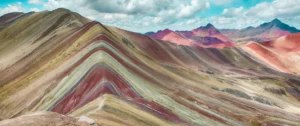
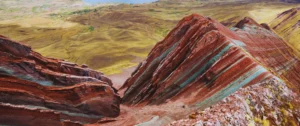
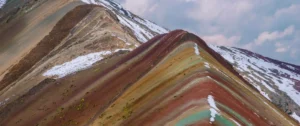
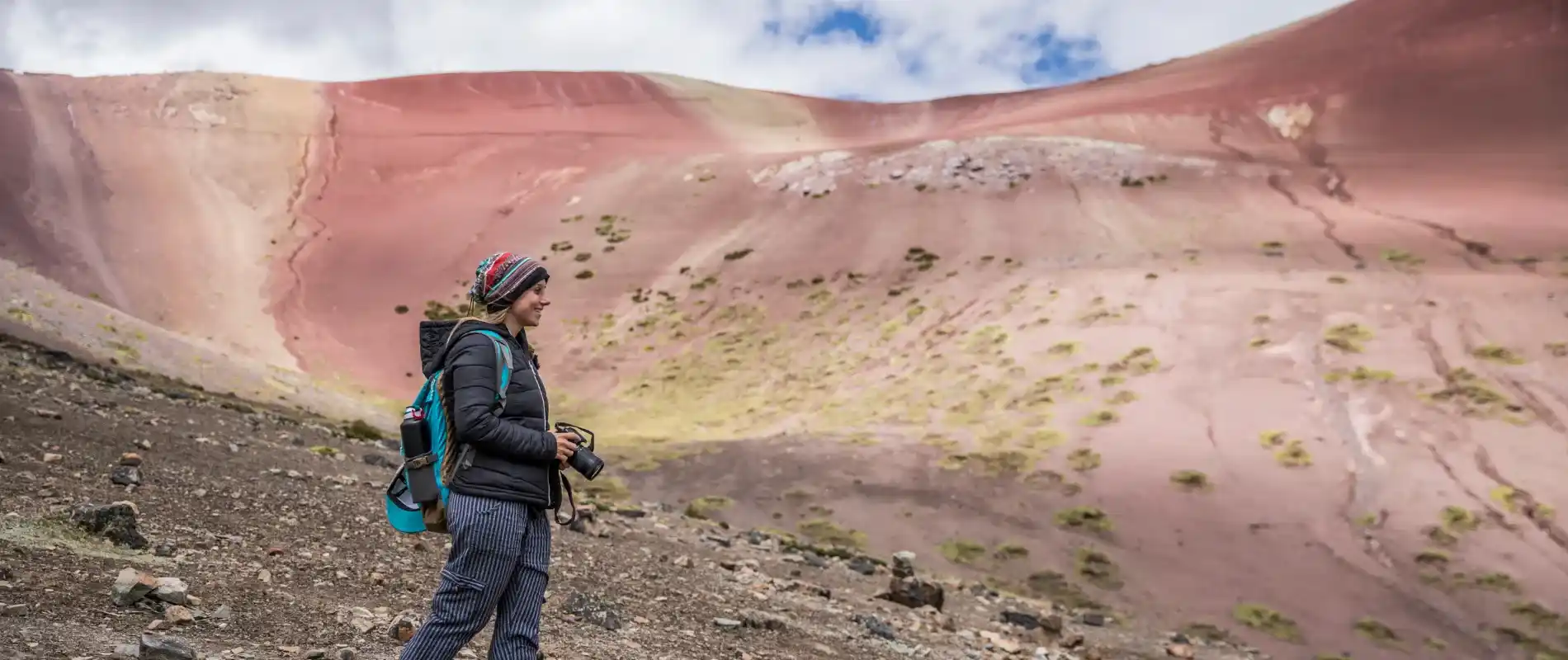
Rainbow Mountain, or Vinicunca, is a breathtaking geological wonder located in the Peruvian Andes, roughly 100 kilometers southeast of Cusco. Rising majestically at over 5,000 meters above sea level, this natural marvel has become one of the most sought-after attractions in South America. The vibrant, technicolor slopes display rich bands of red, yellow, turquoise, and even lavender hues—colors created by millions of years of geological activity, erosion, and the layering of mineral-rich sediments.
The mountain’s striking palette is not just a visual phenomenon but also a cultural and spiritual landmark. Local Quechua-speaking communities regard Vinicunca as sacred, tied to ancient beliefs about the Apus, or mountain gods, who protect the Andean people. Many legends speak of these peaks as guardians of fertility, water, and life itself. Visiting Rainbow Mountain is not just a hike; it’s a journey into Peru’s natural and cultural heritage.
Accessibility has increased in recent years thanks to improved infrastructure, making it possible to visit Rainbow Mountain as a one-day trip from Cusco. For travelers seeking unforgettable panoramic vistas, encounters with llamas and alpacas, and a cultural immersion into highland life, Vinicunca is an absolute must-see. But to truly enjoy this destination, it’s crucial to understand the best time to visit and how to prepare for the high altitude.
Best Time to Visit Rainbow Mountain
The weather in the Andes can make or break your experience at Rainbow Mountain. To maximize your chances of clear skies and vibrant colors, timing your trip is essential. Peru’s climate is divided into two main seasons: the dry season (May to September) and the rainy season (November to March).
The Dry Season (May – September)
This is widely considered the best time to hike Rainbow Mountain. During these months, the trails are drier, skies are clearer, and the colors of the mountain stand out brilliantly under the sun. June, July, and August are especially ideal, as they coincide with Peru’s winter, when rainfall is minimal and the air is crisp. The only trade-off is that this is also the high tourist season, so expect larger crowds both on the trail and at the viewpoint.
The Rainy Season (November – March)
During the rainy season, hiking becomes more challenging due to muddy and slippery trails. Clouds and fog can also obstruct the view, hiding the colorful slopes. However, if you are an adventurous traveler seeking solitude, this period can be rewarding. The landscapes are greener, there are far fewer visitors, and you’ll often find better deals on tours. Just remember to bring proper rain gear and waterproof hiking boots.
Shoulder Months (April & October)
If you want the best of both worlds—good weather and fewer crowds—consider visiting in April or October. These months mark the transition between seasons, often providing a balance of clear skies and quieter trails. Photographers in particular love these months, as the lighting conditions can create dramatic contrasts in the scenery.
Understanding Altitude: Health Tips for Travelers
At 5,200 meters (17,060 feet), Rainbow Mountain’s altitude is its greatest challenge. Even seasoned hikers may feel the effects of thinner air. Symptoms of altitude sickness include headaches, nausea, dizziness, fatigue, and shortness of breath. Preparation is key to ensuring a safe and enjoyable trek.
Acclimatization
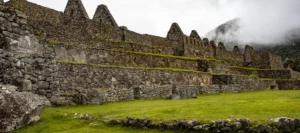
Spend at least 2 to 3 days in Cusco or the Sacred Valley before attempting Rainbow Mountain. This gradual adjustment helps your body adapt to the reduced oxygen. During this time, engage in light activities such as exploring Cusco’s markets, museums, and Inca ruins.
Hydration and Diet
Drink 3–4 liters of water daily to stay hydrated. Coca tea, a traditional Andean remedy, is also believed to ease altitude discomfort. Avoid alcohol and heavy meals the day before your hike, as they can worsen symptoms.
Physical Preparation
You don’t need to be a professional athlete, but basic fitness helps. Cardiovascular activities such as walking, jogging, or stair climbing before your trip will improve stamina. Pace yourself during the hike—slow and steady wins the race at high altitudes.
Emergency Options
If the altitude proves too challenging, horses are available to rent along the trail. While this doesn’t eliminate the final climb to the viewpoint, it can make the journey much more manageable.
How to Get to Rainbow Mountain from Cusco
Most visitors begin their adventure in Cusco, the ancient Inca capital and the gateway to many Andean treks. From here, reaching Rainbow Mountain takes roughly 3 hours by road, followed by the hike itself.
Guided Tours
The easiest and most popular option is booking a guided tour. Most tours depart Cusco around 4:00 a.m., provide breakfast along the way, and include round-trip transportation, entrance fees, and sometimes even lunch. Guides offer valuable insights into the landscape, culture, and history of Vinicunca, enriching the overall experience.
Independent Travel
Adventurous travelers can also arrange transportation independently. This involves taking a bus or private taxi to the trailhead villages such as Cusipata or Phulawasipata. However, navigating logistics can be tricky, and tours often end up being more cost-effective.
The Hiking Experience
The hike to Rainbow Mountain is about 10 kilometers (6 miles) round trip. Most trekkers take 2 to 3 hours to ascend and about 1.5 hours to descend.
Trail Highlights
- Picturesque valleys dotted with alpacas and llamas.
- Snow-capped peaks of the Ausangate range in the distance.
- Opportunities to interact with local Quechua communities selling snacks or handmade textiles.
- The rewarding viewpoint at the summit, offering breathtaking panoramic views of Vinicunca’s rainbow-striped slopes.
Weather on the Trail
Conditions can change rapidly. In the morning, temperatures may hover near freezing, but by midday the sun can be intense. Dress in layers, wear a wide-brimmed hat, and apply sunscreen frequently. Don’t underestimate the Andean sun at this altitude.
Practical Travel Tips
- Best Time to Depart: Start early to avoid afternoon clouds and crowds.
- Gear Checklist: Sturdy hiking boots, warm clothing, waterproof jacket, gloves, hat, sunglasses, sunscreen, snacks, and plenty of water.
- Photography Tips: Bring a good camera or a smartphone with high resolution. Sunrise and early morning light bring out the most vivid colors.
- Respect the Environment: Stay on designated paths and carry out all trash. The ecosystem here is fragile.
- Support Local Communities: Consider hiring local guides or buying handmade textiles and snacks from villagers along the route.
Cultural Insights
Rainbow Mountain is not just a tourist attraction; it’s a living part of Andean culture. The mountain is often linked to festivals and traditional ceremonies that honor Pachamama (Mother Earth). By visiting, you’re stepping into a sacred landscape that has shaped local beliefs for centuries.
Engaging with local communities—whether by learning about their weaving traditions, tasting Andean foods, or simply greeting them in Quechua with a friendly “Allinllachu” (hello)—adds depth to the experience. Responsible tourism helps preserve these traditions while providing economic benefits to the people who call this region home.
Concluding Thoughts
Rainbow Mountain is more than just a hike—it’s an unforgettable journey into the heart of the Andes. Choosing the right season, preparing for the altitude, and respecting the culture and environment will ensure that your visit is both safe and enriching. Whether you go with a tour or independently, the reward of standing at 5,200 meters, gazing at nature’s colorful masterpiece, is unlike anything else in the world.
Plan ahead, walk at your own pace, and immerse yourself fully in the beauty and spirituality of Vinicunca. Your journey to Rainbow Mountain, Peru, will be an adventure that stays with you for a lifetime.